
The Holden Dealer Team has previewed a “significant” announcement about its future direction as it eyes a “return to the heartland of Australian motorsport” at this year’s Bathurst 1000.
HDT, which was founded as a racing outfit in 1969, began making performance Holdens as HDT Special Vehicles in 1980, after the team was bought by the legendary Peter Brock. Now a spokesman for the team has revealed it has “unfinished business” with Bathurst.
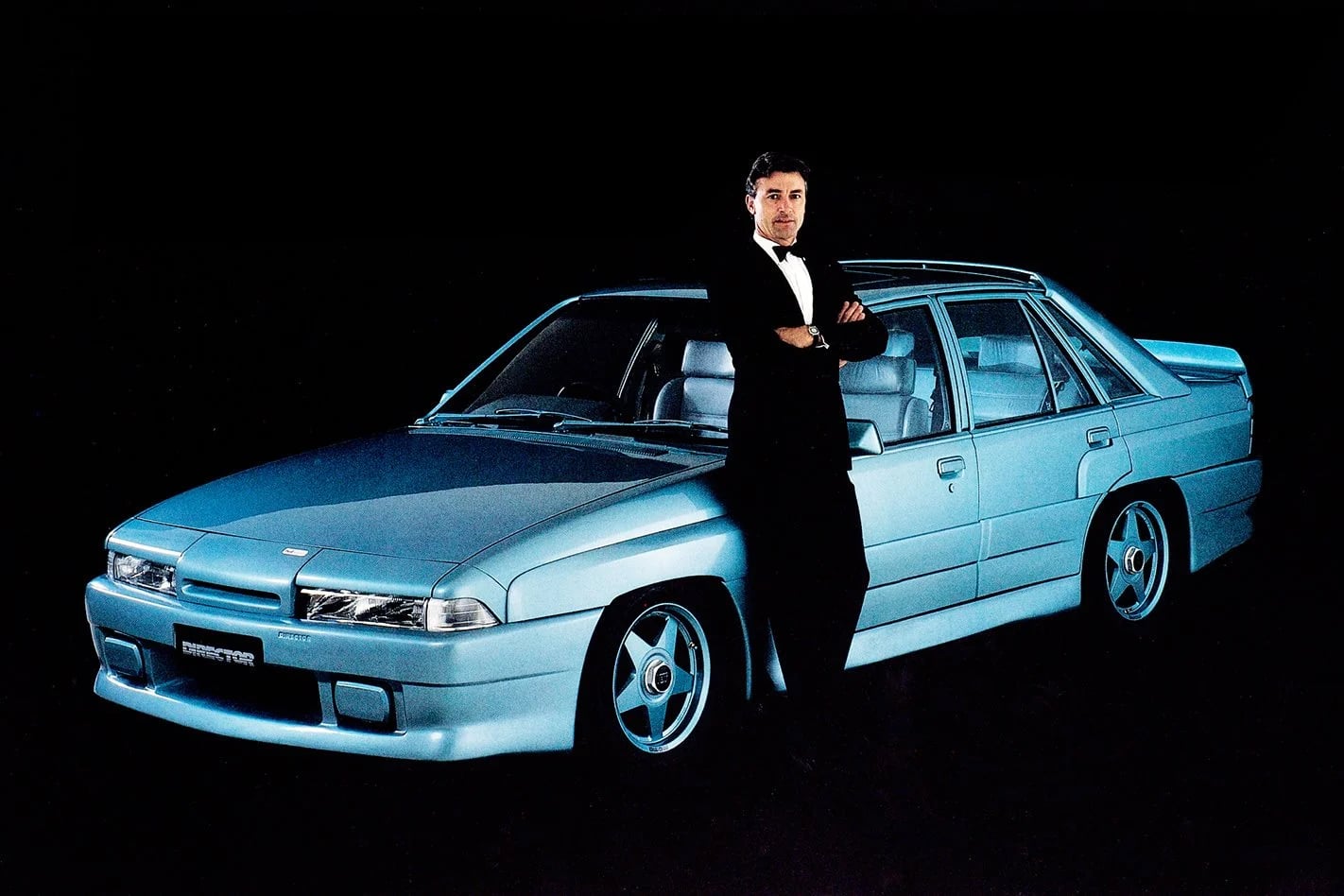
On October 11, the day after the running of this year’s 1000 at Mount Panorama, HDT will outline its future plans as part of anniversary celebrations for Brock, who drove the team’s cars to eight of his nine victories at Bathurst.
In a statement, HDT said, “The announcement will provide a first look at the ambitious new direction for HDT, looking back at the Bathurst-winning pedigree of its heritage vehicles while showcasing its future automotive plans and a renewed presence in Bathurst.”
As well as dropping the news, the company will unveil a display of rare HDT Special Vehicles “not shown anywhere else during the Bathurst race weekend”. The models will include the VL SL Commodore that HDT used as the prototype and engineering mule for two of its most famous products: the VL Director and VL Aero.
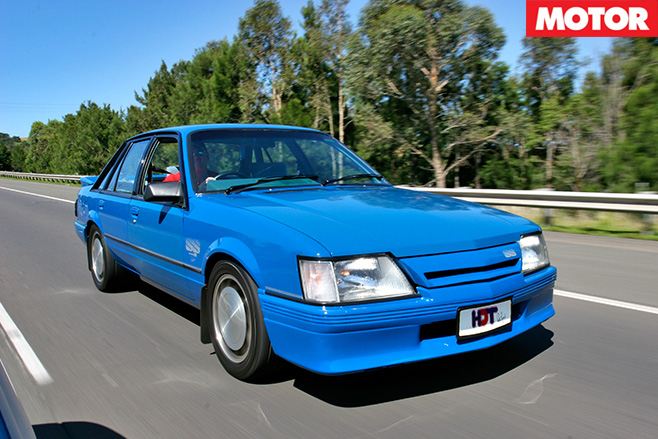
Other iconic Holdens produced by HDT include the famous Blue Meanie, aka the HDT VK Group A SS. The fastest car Brocky ever built bore the advertising slogan “body by Holden, soul by Brock” and just 500 were built – although some Holden tragics reckon an ordering mistake means the real number is 502.
The Holden Dealer Team began in 1969 under team boss Harry Firth as a way of getting around General Motors’ ban on its manufacturers entering races with factory-backed teams. HDT’s first driver line-up for Bathurst consisted of Colin Bond and Tony Roberts in car one, with Des West and Brock – who made his debut at the Mountain that year – in the second of three cars.
Peter Perfect took over the team 11 years later, partly to fund the racing arm of HDT with sales of those famous high-performance Holdens.
One of Xpeng’s top designers has hit out at the continuing use of grilles on EVs, saying they serve no purpose other than being a hangover from models with combustion engines – and his remarks came as the brand revealed its first model down under will be the grille-free L03 SUV (pictured, below).
Joan Melenchon, Xpeng’s creative design director, also took other EV makers to task for continuing to use the feature on their vehicles, saying they need to find a different way of establishing their own visual identity.
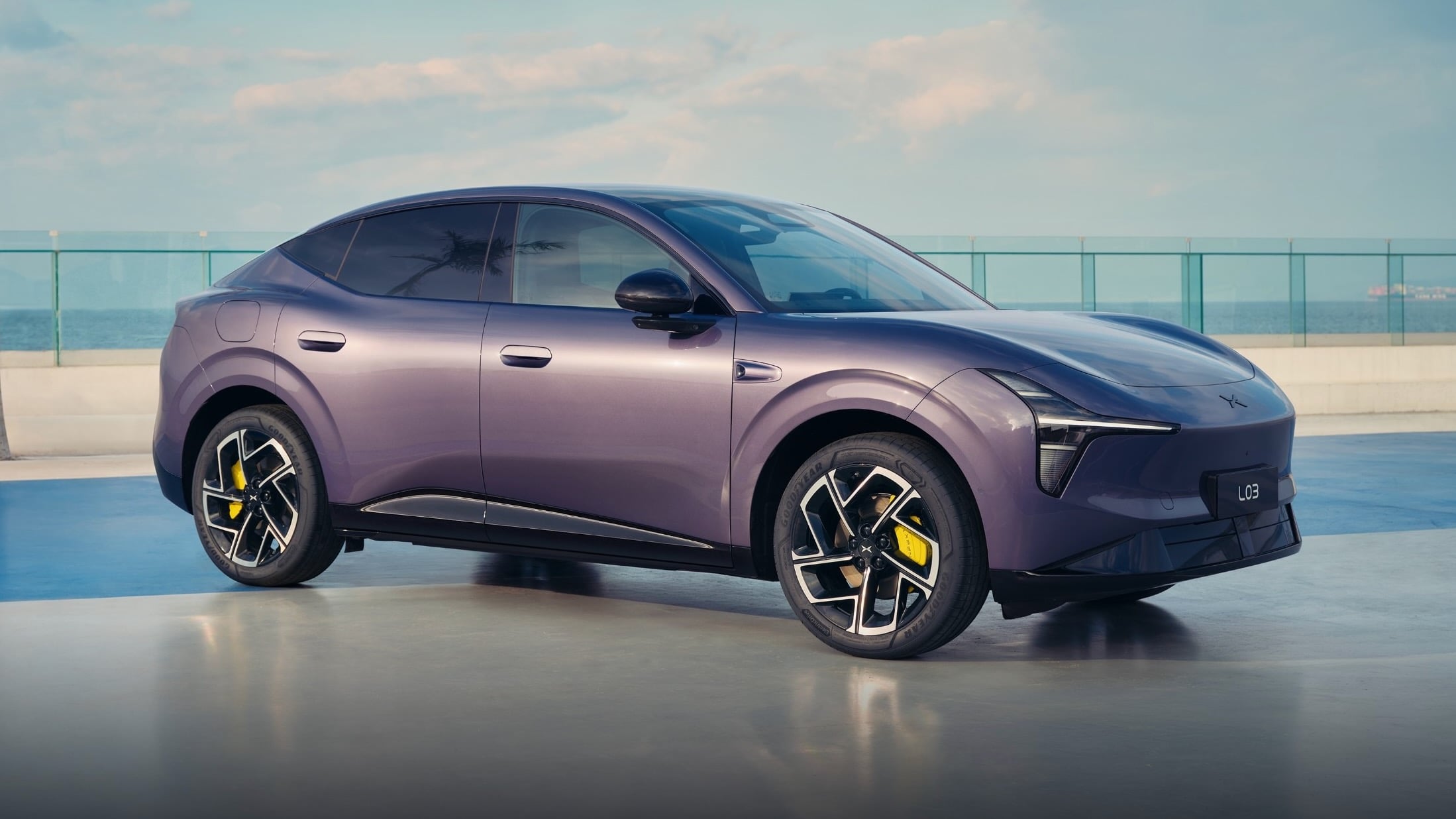
“You will see that everyone is developing their own front fascia based on the air intake, where you probably don’t need it in an EV. Doing design identity based on something that they don’t use, is that the right thing to do?” he said.
“For me, [it] is not honest for any EV brand that doesn’t have a combustion engine in front. It’s the wrong thing to express your identity based on an air intake you don’t need. Tell me just one brand that is being built from scratch, being electric, that has a strong design identity from the very beginning.
“Maybe it’s our competitor, maybe you can say Tesla. It’s clear what it is. But if you also analyse any other brand, any OEM [original equipment manufacturer] in the market … its design identity is coming from combustion engines.”
Tesla, of course, does not feature grilles on its extremely popular Model 3 and Model Y BEVs. Other manufacturers with a strong background in internal-combustion cars, such as BMW and Mercedes, retain them for their BEVs as part of the brands’ already-established signature looks.
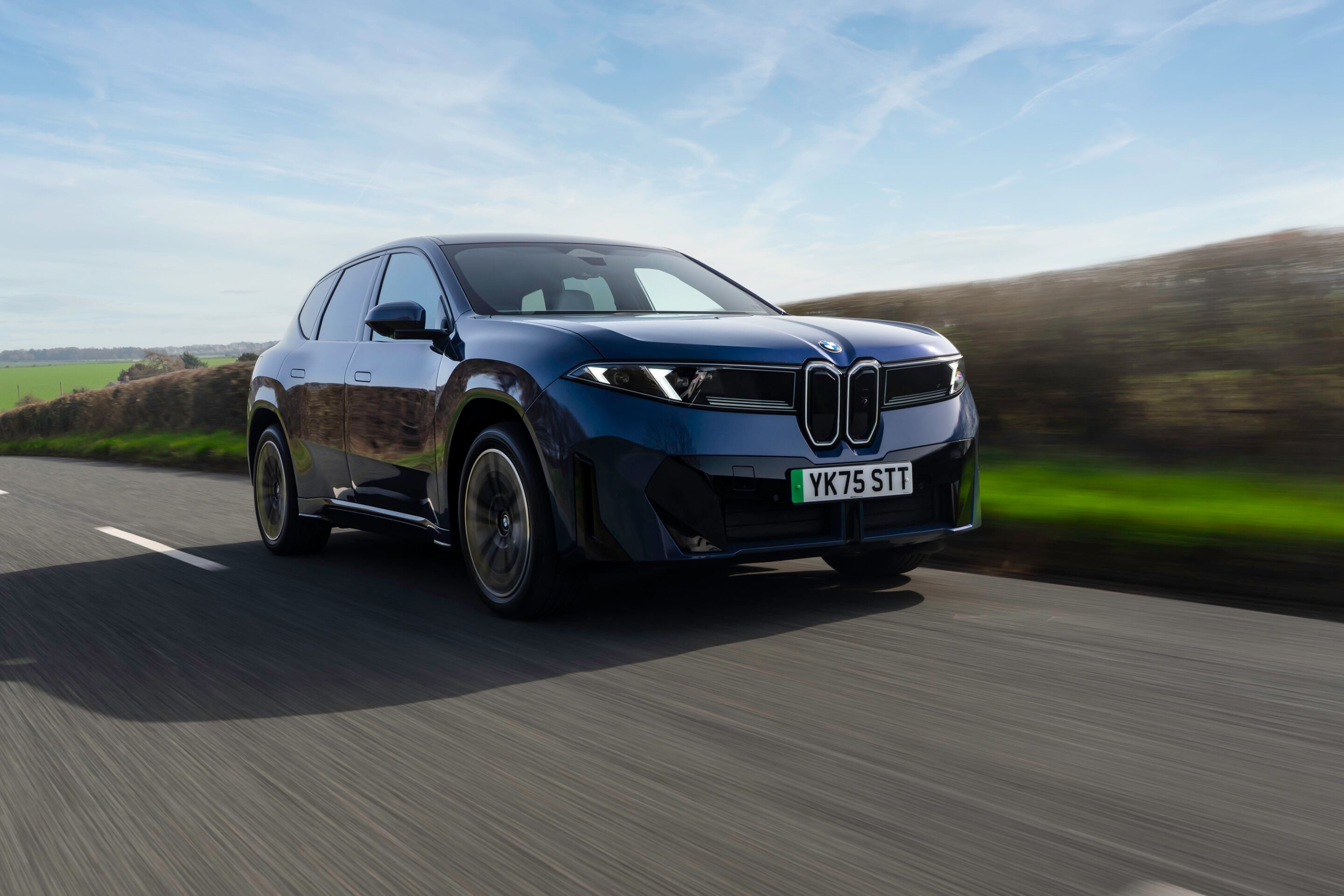
But as Melenchon pointed out, some new EV-centric brands – such as Chery and MG – make air intakes a major part of the look of their vehicles.
Grilles aren’t needed on BEVs for the same reason they don’t need petrol tanks: the absence of an internal combustion engine that needs to be fed with and cooled by air. Furthermore, leaving them off the front of the car has advantages beyond creating a completely non-ICE look.
Dropping the air intake gives designers more freedom to concentrate on aerodynamics by creating cleaner airflow around the body, which can bring benefits for efficiency, especially during highway driving.
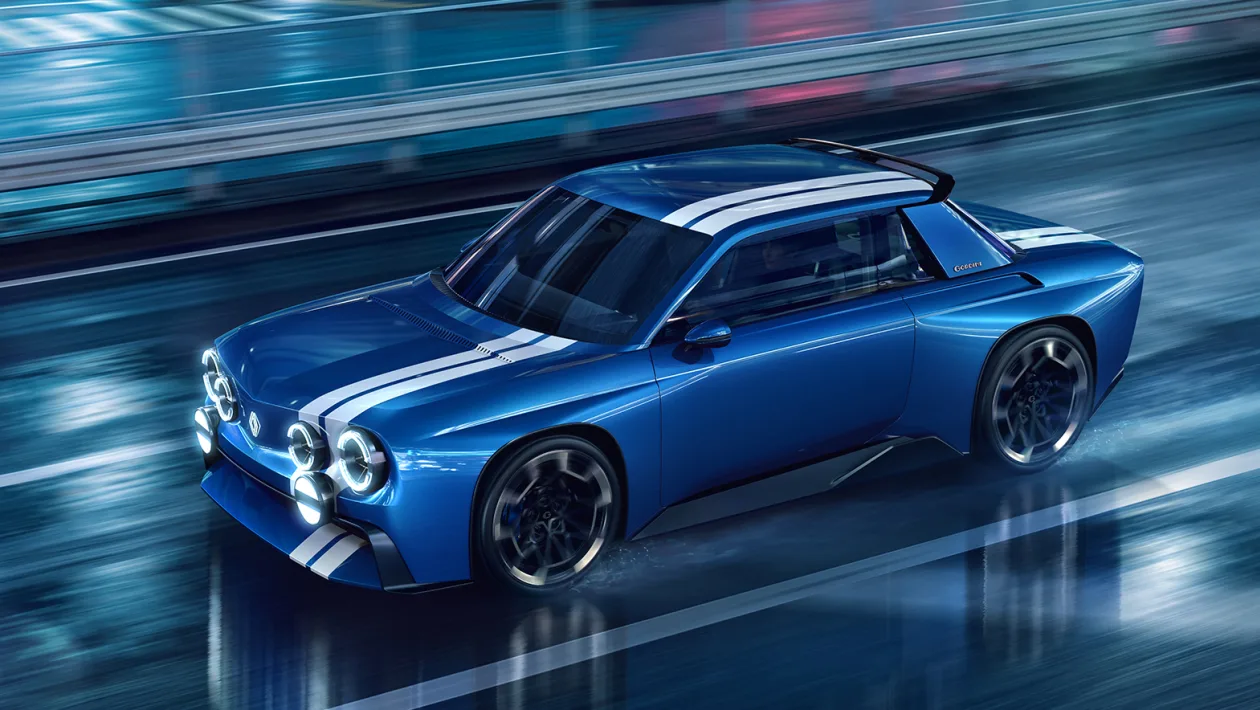
As thrillingly impressive as it is, Renault appears to have missed the mark with the riveting new 8 Gordini – not due to the fact it’s all-electric, but because there appear to be two chances of it ever rolling off the production line: Buckley’s and none.
The two-door EV is a modern interpretation of the Renault 8 Gordini launched in 1964, which became a French performance icon and rallying hero long before Renaultsport and Alpine became synonymous with the company’s hottest machinery.
The Gordini story began with racing driver and engineer Amédée Gordini, nicknamed “The Wizard” for his ability to extract serious performance from small engines. His ties to Renault began in the late 1950s and eventually spawned a series of road and competition cars.
Renault considered around 300 design proposals for this modern interpretation before settling on the finished concept, which reportedly took just two months to develop.
There’s no mistaking the inspiration. The original’s V-shaped nose, four-headlight layout, boxy proportions and distinctive twin white stripes over brilliant blue paint have all been updated without being diluted.
But Renault didn’t simply modernise an old design. The four-door body of the 1960s car has been replaced by a more dramatic two-door sedan silhouette, complemented by heavily flared wheelarches, 19-inch front and 20-inch rear wheels and a diffuser that screams aggression.
Extra driving lights reference the R8 Gordini’s off-road triumphs, while an F1-style rain light is among several nods to Gordini’s motorsport history. At 4.12 metres long, she’s compact like a true rally car, although it is substantially wider and lower than its ancestor.
The minimalist interior is just as striking as the outside. Renault has resisted the temptation to fill the dashboard with giant screens, instead fitting simple circular instruments to a brushed-aluminium fascia.
Blue corduroy features across the lower dashboard and bucket seats, with Alcantara and leather used elsewhere. The centre-console switchgear is brushed aluminium, and the uncluttered look should be forwarded to some modern designers to serve as inspiration.
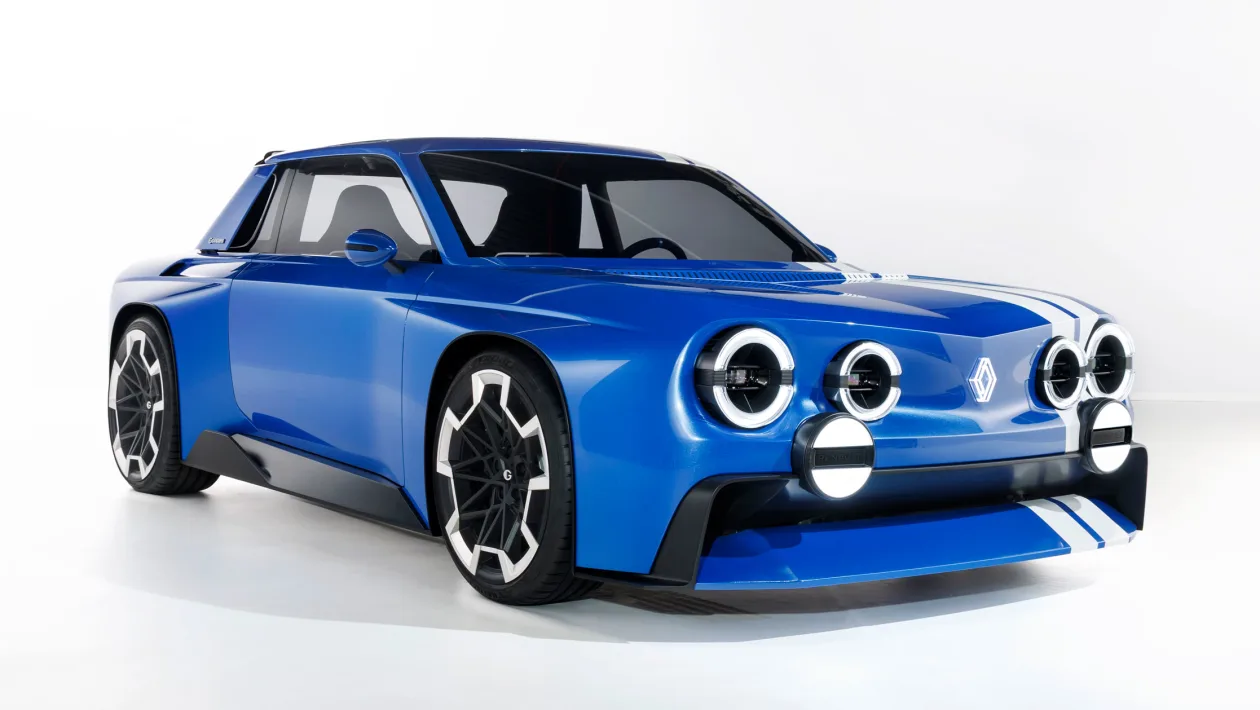
Technical details are scarce, although Renault has confirmed the 8 Gordini is electric, rear-wheel drive and produces 198kW. That represents an enormous jump over the original, which was also rear-wheel drive but mounted its 1.1-litre, four-cylinder, 71kW mill behind the cabin.
Renault hasn’t disclosed the battery capacity, performance figures or driving range. It also hasn’t confirmed whether the car shares its aluminium underpinnings with the wild Renault 5 Turbo 3E, which produces around 397kW.
There are no plans to put the new 8 Gordini into production. For now, it remains a one-off design exercise that will be displayed at the Paris Motor Show.
Turning it into reality would almost certainly make it an expensive proposition. The Renault 5 Turbo 3E costs roughly $270,000 before Australian taxes and charges, so fans would need exotic money if it ever does start rolling into showrooms.
Renault advanced design boss Romain Gauvin says concepts such as the Gordini allow the company to experiment while changing perceptions of what the French brand can be.Given the finished product, Renault might find plenty of people willing to encourage it to go one step further and actually build the thing.
Marcus Pike and his mate Gerard De Campe are driving their 1995 Ford Falcon more than 3000km across the Nullarbor to watch their beloved Fremantle Dockers play in the AFL grand final – and despite the Falc’s age, they reckon it’s dealing with the journey “beautifully”.
Pike and De Campe documented the process of getting the 31-year-old vehicle ready on their Instagram account. Two weeks before setting off, Pike said there was “heaps of work to do” to the “tyres, suspension, diff pulled apart, new fuel lines, all that sort of stuff”.
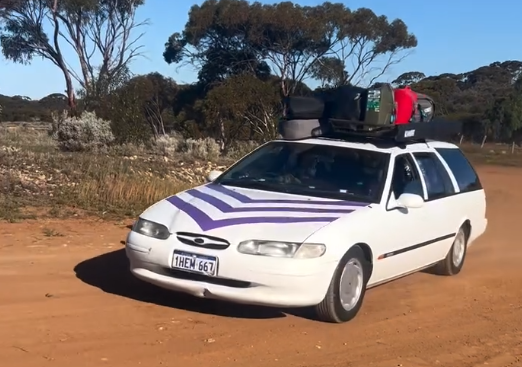
The work – which also included new shocks – cost them $3000 at a time when they weren’t even sure their team would make it to the biggest game of the year after their shock loss to Hawthorn in the first finals match of 2026.
The duo christened their car the “Wharfie Wagon” – after the Dockers’ famed “Wharfie Time” celebration – once they’d added some decals to the duco in team colours the day before they hit the road.
With the roof rack packed until it was chockers with supplies including petrol, they set off, despite their Instagram followers warning them it was a bad idea. “A lot of you seem to think this vehicle shouldn’t be out here. And you’re right,” Pike said.
“However, this thing is running a treat. If you don’t think it should be out here, well then, follow along … this thing’s going on a f***ing journey.”
Speaking to Channel Seven’s Sunrise the morning after they reached the remote roadhouse community at Balladonia on their first stint, Pike said, “It’s been smooth sailing so far, mate. We made good headway yesterday, about 900 kays. Ran into our first minor mechanical drama, which we’ll get tidied up this morning and hopefully push on from here.”
Pike admitted the Falcon “is older than us” and said “it’s probably not the smartest choice”, but added, “It runs, drives and goes beautifully, mate. It’s just stopping that’s become a little bit of an issue … we’ll try and get the brakes sussed this morning and then see how we go after that.”
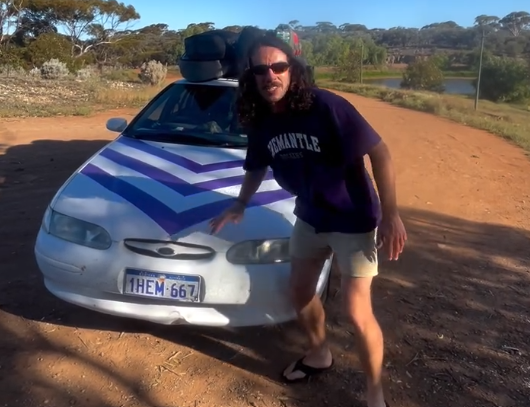
Asked if they attempted to get on a plane to get to the MCG, Pike (pictured above) revealed, “Nah, we didn’t even try, to be honest,” with De Campe adding, “There’s not much fun in that.”
Pike was a little less upbeat in a clip posted to Instagram. “We’ve had a tumultuous day,” he explained. “Last night coming into camp, we’re doing about 109 and I pumped the brakes … and then bang, all we heard was a hissing noise.”
The mates limped the car to Norseman, about 190km south of Kalgoorlie, and had a brake booster freighted so they could install it on the third morning of the run. They obviously pulled it off because the next post showed them in South Australia with a working set of anchors and the aim of reaching Melbourne on Friday morning, just over 24 hours before kickoff.
Their most recent post saw Pike checking the oil as part of some “preventative maintenance” as they punched out 2200km in two days. He invited petrolheads who’ve been following their exploits to meet them at the MCG, where they can check out what sort of state the Falc is in… and how it’s looking in anticipation of the return journey.
Nissan has turned back the clock to the boy-racer 1990s with the Z Kaze, a heavily modified concept that combines the latest Z sports car with styling cues from some of the most memorable models in the nameplate’s history.
Unveiled at ZCON, the annual gathering of the Z Car Club Association in Phoenix, Arizona, the Kaze – Japanese for ‘wind’ – is designed to celebrate more than five decades of Nissan sports cars while also tapping into the Japanese tuning scene of the 1990s.
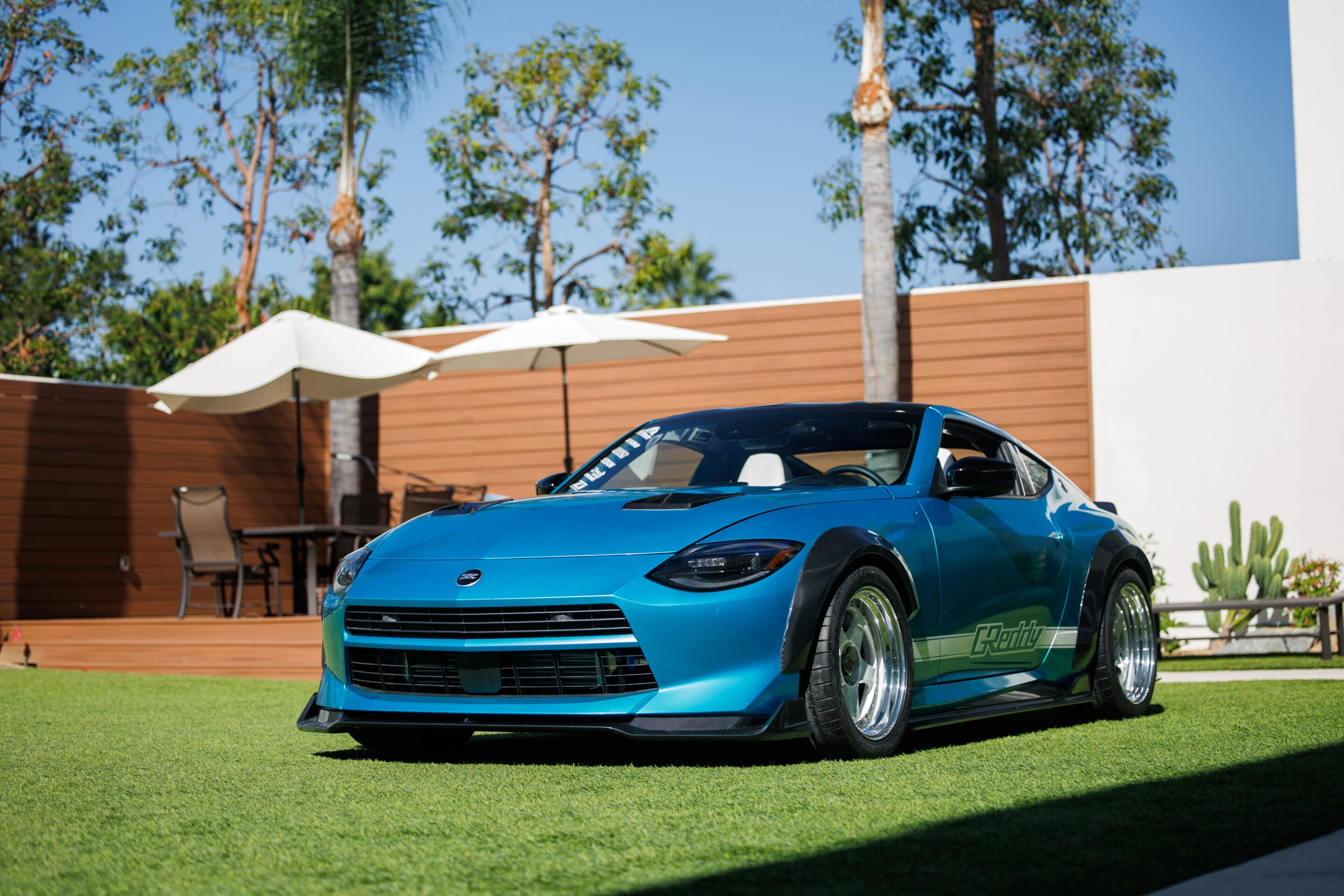
Its headline feature is a T-top roof inspired by the 300ZX that arrived in 1989, just to turn the nostalgia dial all the way up to 11. Special mention goes to the GReddy signage on the flanks, which harks back to the Japanese aftermarket that thrived in the 1990s and 2000s.
Nissan says the concept draws inspiration from all seven generations of Z, a bloodline stretching back to the original Fairlady Z of 1969 and including standouts like the 280Z, two generations of 300ZX and the 350Z.
“The Z Kaze concept celebrates some of Nissan’s most iconic open top sports cars, while recognizing the ’90s tuning culture that helped put Nissan and Nismo on the map,” said Nissan America senior vice-president Ponz Pandikuthira.
The retro treatment goes well beyond the roof. The Kaze features a pair of carbon-fibre bonnet vents, pumped-out wheel arches and a carbon-fibre body kit incorporating a front splitter, side skirts, redesigned rear bumper and more prominent lip spoiler.
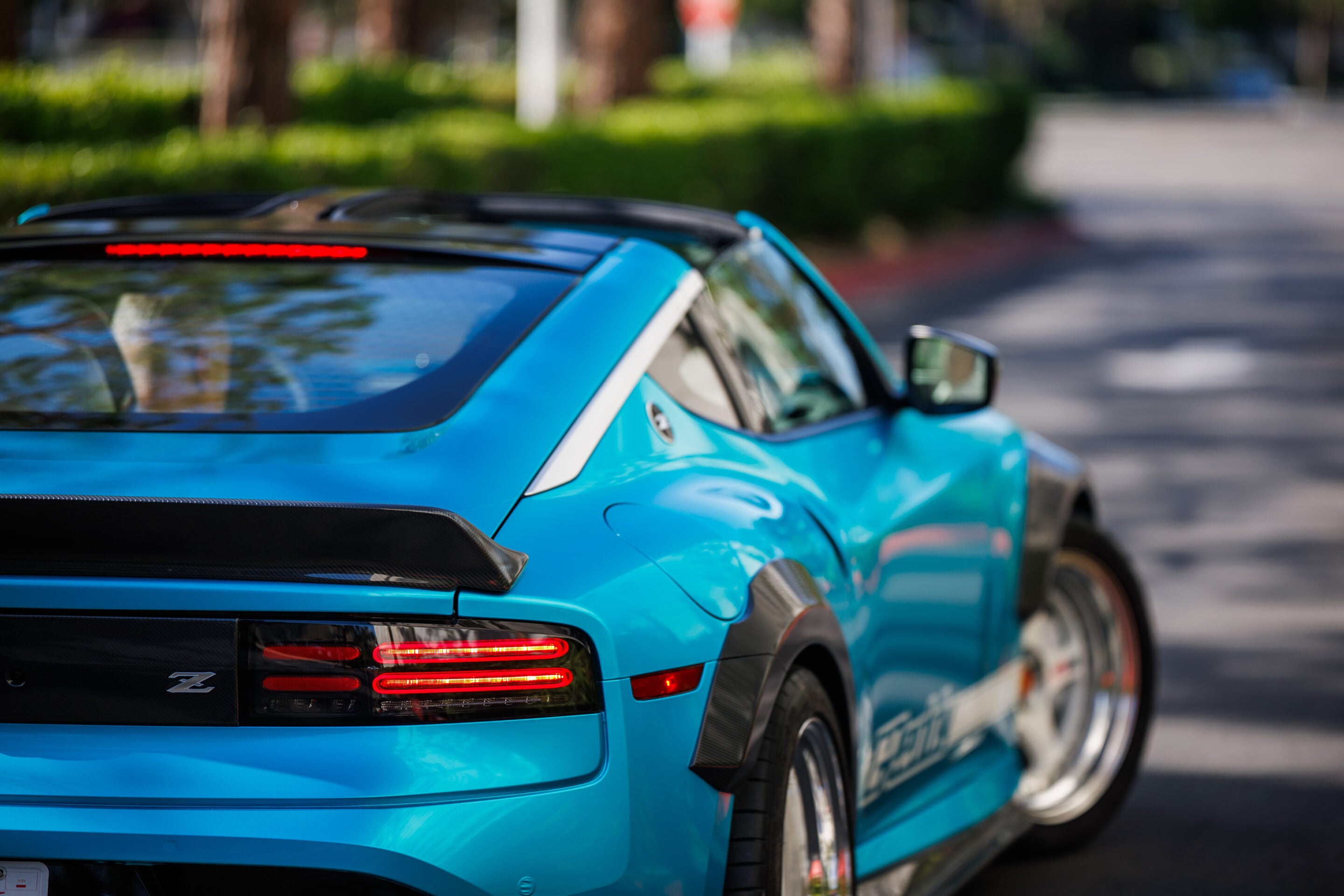
That lowered stance is complemented by forged multi-piece 18-inch Nismo LMGT2 racing wheels, while Nissan’s performance division has supplied a range of suspension and chassis upgrades. Pacific Teal paintwork and period-inspired decals put the cherry on top of the exterior transformation.
Inside, Nissan has fitted custom white leather upholstery and additional carbon-fibre trim. The audio system has also been upgraded, with a more powerful Bose set-up featuring speakers built into the headrests.
The regular Nissan Z is powered by a 3.0-litre twin-turbocharged V6 producing 298kW and 475Nm, sent to the rear wheels. Nissan has given the Kaze additional performance hardware, including a new exhaust system, intercooler kit and upgraded air filter. However, there’s no wordon how much extra power those modifications produce.
For now, the Z Kaze remains a concept rather than a preview of a confirmed production variant, but it shows Nissan is still willing to experiment with the heritage of one of its most famous performance nameplates.
The new-car price war in Australia heats up every day, but don’t expect Honda to start slashing prices simply to compete with the growing number of affordable Chinese brands. With almost 70 carmakers now fighting for Australian sales, many new entrants have built their appeal around aggressive pricing, lengthy standard equipment lists and an increasing amount of technology.
Honda, however, says it won’t be drawn into a “race to the bottom”.
Speaking with WhichCar by Wheels, Honda Australia staff described the OEM as a “premium Japanese brand”, arguing that competing on price alone doesn’t fit with the company’s positioning.
“Australia is the most competitive new car market in the world and we don’t want to get caught up in the race to the bottom,” said Jay Joseph, CEO of Honda Australia.
Honda Australia director Rob Thorp said the company is continually assessing its offerings to potential buyers as competition intensifies, but argued that value shouldn’t be measured solely by the sticker price.
“Value proposition for Honda isn’t purely the price you pay on the day you take ownership,” Thorp told WhichCar by Wheels. “We really value the quality of the ownership experience that you have, and that’s way more than just a cheap purchase price.”
Joseph also differentiated between offering value and maintaining the brand’s cornerstones, pointing to Honda’s aftersales support, servicing, warranty coverage, parts availability and vehicle repairability.
“It isn’t just the purchase price. It isn’t just the low-cost service. It isn’t just the price promise, but also the parts availability, low service costs, dealership experience and new vehicle warranty” he said. “It’s all of those things.”
Joseph believes that the longer-term ownership proposition is particularly important as Australian buyers are presented with an unprecedented number of unfamiliar brands promising lots of equipment for relatively little money.
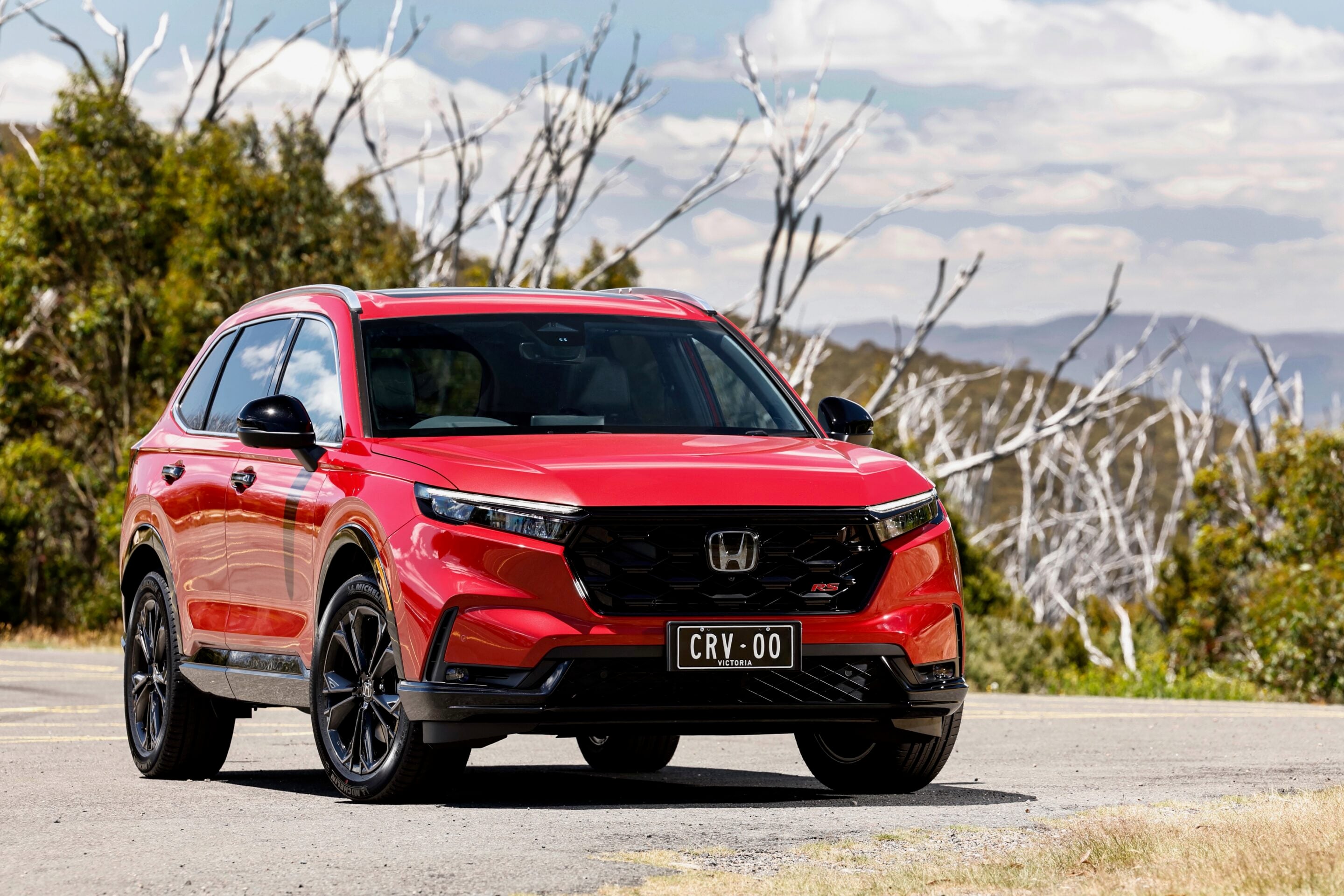
Joseph acknowledged that buyers can initially be attracted by “big screens and low initial prices”, but argued Honda’s established aftersales network and ability to support its vehicles over the longer term remain important advantages to its brand.
“We designed cars to be repairable. We provide the parts for them to be repairable,” he said.
“We can get just about any component on any car, anywhere in Australia, within a day. That’s not true [of] certainly some of the newer entrants.”
Thorp also pointed to the brand’s high customer retention rate, saying servicing retention and repeat-purchase figures demonstrate that buyers place value on the ownership experience after purchasing the vehicle.
It’s a strategy that also helps explain why Honda isn’t simply reaching into its international catalogue to chase additional Australian sales. The company sells more affordable vehicles in overseas markets, like the Jazz hatchback and WR-V small SUV, but Honda says potential additions must make sense from a profitability and sustainability perspective, rather than simply adding volume.
While Chinese manufacturers are continuing to put pressure on new car prices, Honda is betting that buyers will see value in paying more upfront for an established brand and everything that comes with it once the car leaves the showroom.
Chinese luxury brand Avatr will take aim at marques like Mercedes-Benz, BMW, Audi, Zeekr and Denza when it starts deliveries of its first Aussie model early next year. Majority-owned by the giant Changan Group, the newcomer is kicking things off with its large BEV SUV, the 07L.
Avatr’s decision to head down under comes after BYD launched its premium Denza brand and Geely brought its Zeekr subsidiary here. There were telltale signs of the move in August, when Changan – which currently sells Deepal models locally – put up job ads seeking staff to help with the launch of a “premium automotive brand”.
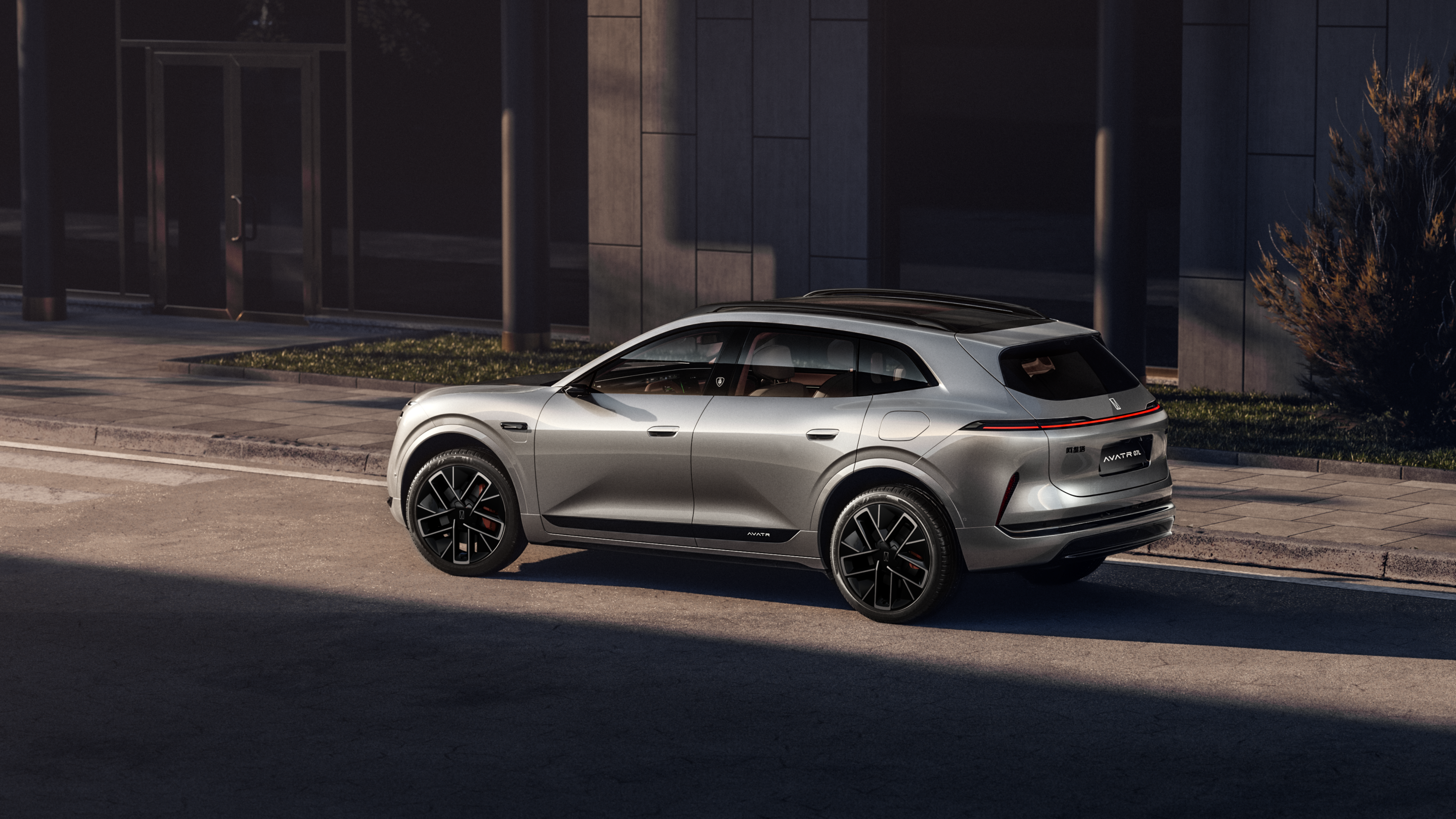
The vehicle in the vanguard of Avatr’s Aussie push made its debut earlier this year as a stretched version of the company’s 07 SUV. Few details have surfaced in the company’s official press release announcing its debut here, but it is confirmed to have an advanced 800-volt silicone-carbide electric architecture and CATL battery tech.
The 07L features an 89.33kWh lithium iron phosphate battery on the Chinese market, and the all-wheel drive version directs 712kW of power and 996Nm to the road. That gives it a claimed 0-100km/h time of 3.7 seconds and a claimed CLTC range of 650km.
In rear-wheel drive form, the 07L runs a single e-motor making 305kW and 435Nm, does the 0-100km/h sprint in 5.9 seconds and boasts a claimed CLTC range of 725km.
The 07L’s impressively appointed interior gets a 35.4-inch digital display that stretches right across the width of the cabin, seats that massage, warm up and cool the driver and front-seat passenger, and a 15.6-inch touchscreen.
It will run the Avatr OS system, which the company says has been “designed around Australian customers, digital services and market requirements”. A Meridian audio system will feature as well.
First customer deliveries are expected to happen early next year, and Avatr will release further specs and pricing closer to the opening of pre-orders, which has been promised before the end of the year.
The Bathurst 1000 is just weeks away and the hype is starting to build with a hilarious new Repco TV commercial starring Supercars greats like Neil Crompton, Dick Johnson – and musician Shannon Noll, who puts a ute into the wall by the end of the ad.
Crompton – who spent years as the focal point of the Supercars Championship’s TV coverage once his racing career was over – stars in Repco’s annual production as one of the instructors at the Bathurst Driving School.
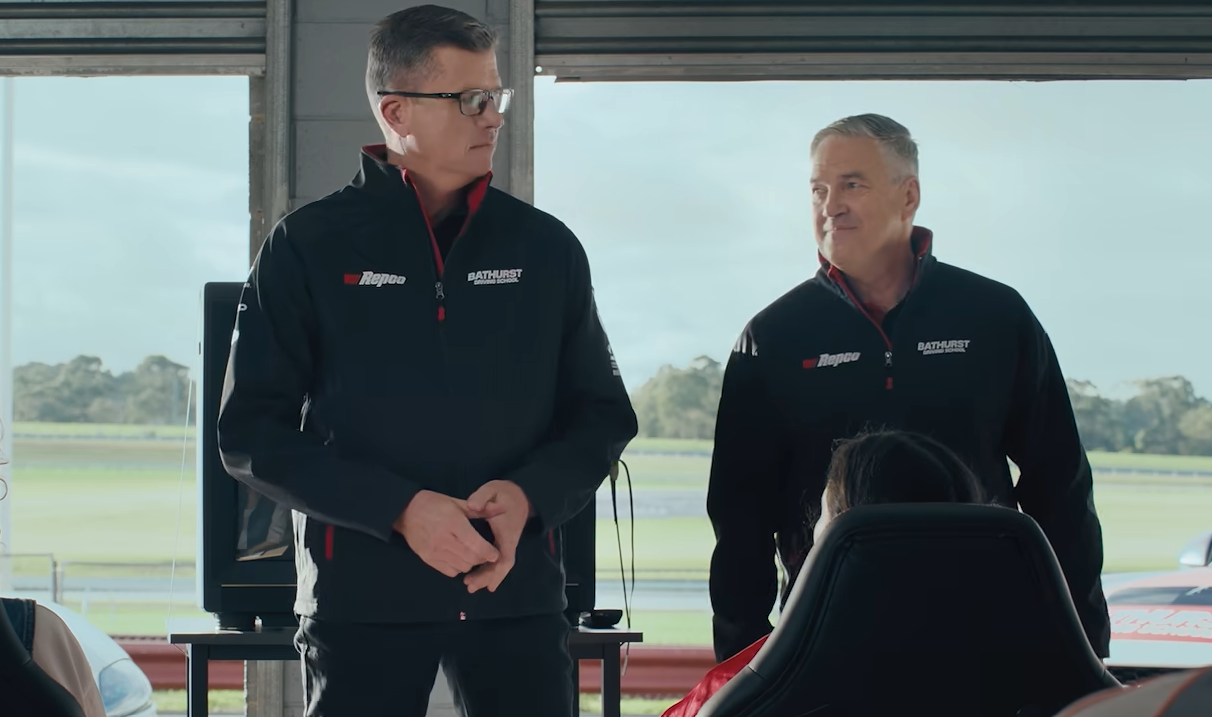
After one student calls Garth Tander “the voice of Bathurst”, Crompton kicks the former Supercars champion off the screen to take his place as the real voice. What follows is a comedic introduction to the other famous instructors as they try to teach the novices “how to tackle the mighty Mount Panorama”, as Crompton puts it.
Greg Murphy, whose “lap of the gods” during qualifying in 2003 is one of the highlights of Bathurst folklore, jokes about the five-minute penalty he was slugged with for driving out of the pits with a fuel hose still attached to his Commodore in 2002.
The students are shown how to dodge the kangaroos that famously stray onto the track – and how to avoid a huge rock that suddenly pops up out of nowhere. That brings back some memories for Dick Johnson, who famously struck a boulder in his Falcon in the 1980 race.
After the students are shown a series of intense and fiery crashes, David Reynolds delivers a message about hydration by doing a “shoey” with some champagne and a racing boot.
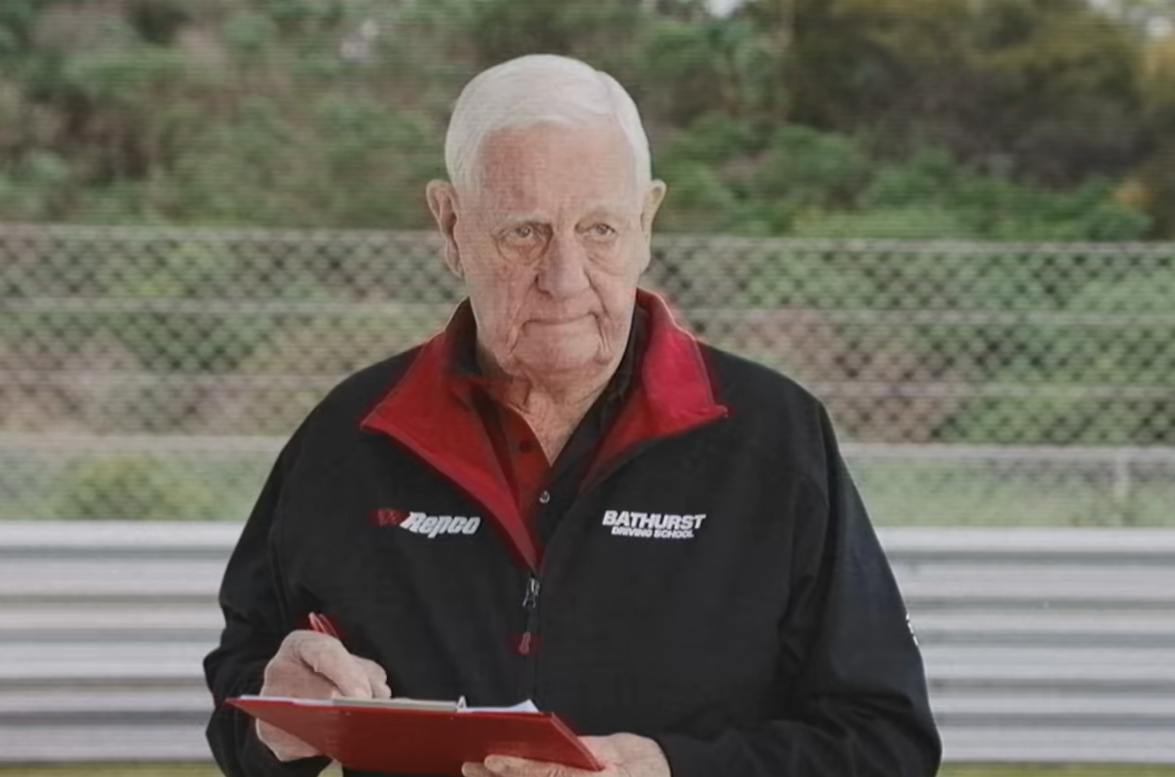
When Crompton then says, “Righto you lot, time to get behind the wheel. Who wants to go first?” a voice from the back of the classroom says, “What about me?” and of course, it’s Shannon Noll, who bins the Repco car soon after.
“I actually grew up not two and a half hours from Bathurst, so it’s just a monumental event,” Noll said in a behind-the-scenes look at the ad. “I remember when I was a kid, it was all anybody talked about when it was on.”
This year’s race runs from October 8 to 11. Matthew Payne of Penrite Racing currently leads the drivers’ championship on 2275 points, followed by Broc Feeney and Kai Allen.
GWM’s assault on the top five brands in Australia is two-pronged – a pincer movement, if you will. On one flank, the new Cannon Alpha dual-cab. On the other, this big and imposing seven-seater SUV, the GWM Tank 500.
Like its dual-cab cousin, the Tank 500 has been given a heart transplant, now proudly beating along to the throb of GWM’s new 3.0-litre turbo-diesel.
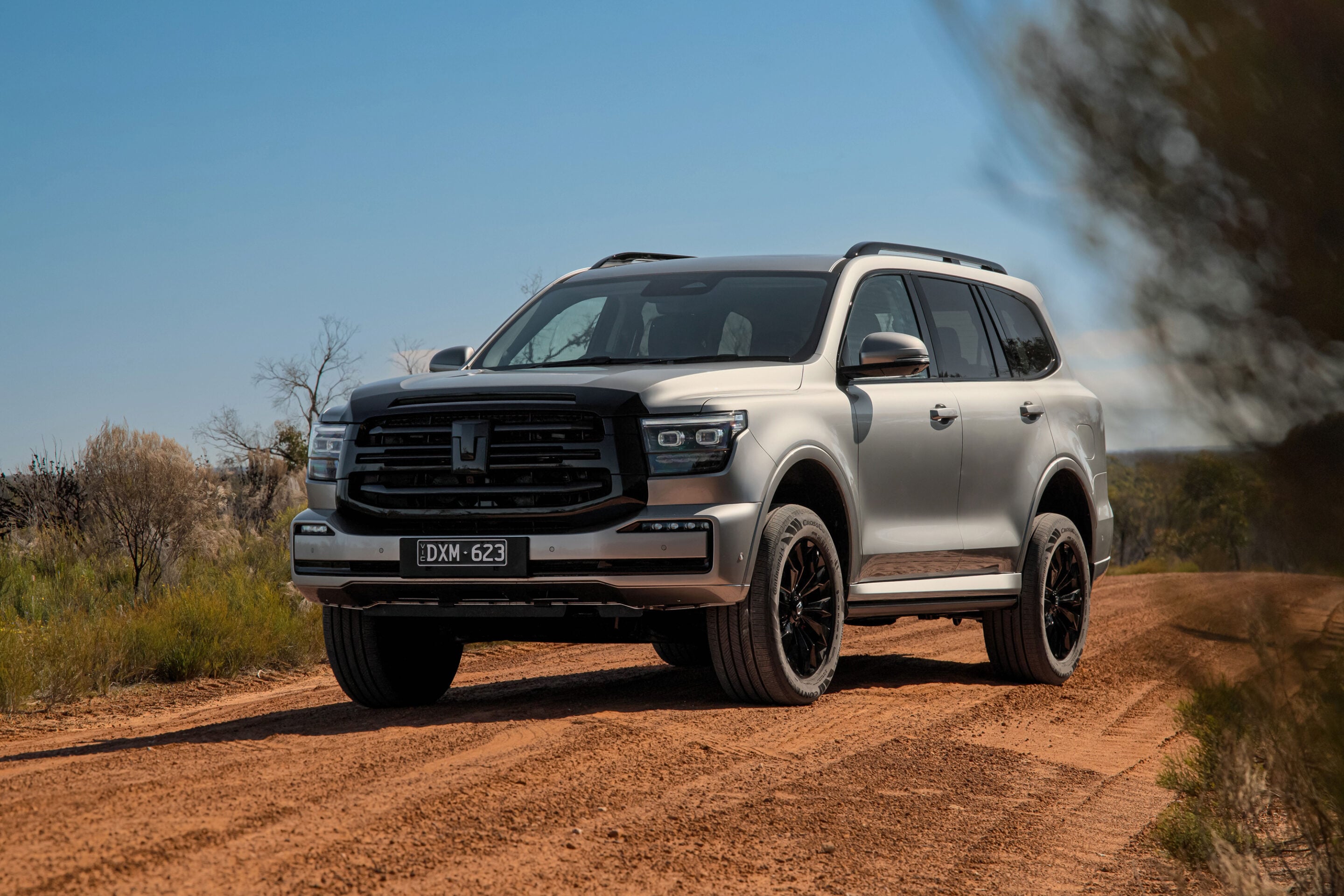
It’s the right engine for the right market right now, according to GWM Australia as it continues its push up the sales charts to reach its lofty aim of becoming a top-five brand in Australia. GWM currently sits seventh, around 11,000 sales behind Hyundai in sixth place and 13,000 adrift of Mazda in fifth.
Crucially for GWM, its sales are tracking up by almost 16 per cent compared with 2025, while Hyundai’s and Mazda’s are down by two and 15.9 per cent respectively.
Certainly having a big diesel-powered, ladder-frame seven-seater – with some serious off-road capability – in dealerships won’t hurt its reputation as it attempts to take on the undisputed segment heavyweights: Ford Everest, Toyota LandCruiser Prado and Isuzu MU-X. Between them, the leading trio have already amassed over 37,000 sales this year. The Tank 500? Fewer than 1000. But that’s before this new 3.0-litre turbo-diesel arrived in local showrooms. So is it the right engine for the right market at the right time?
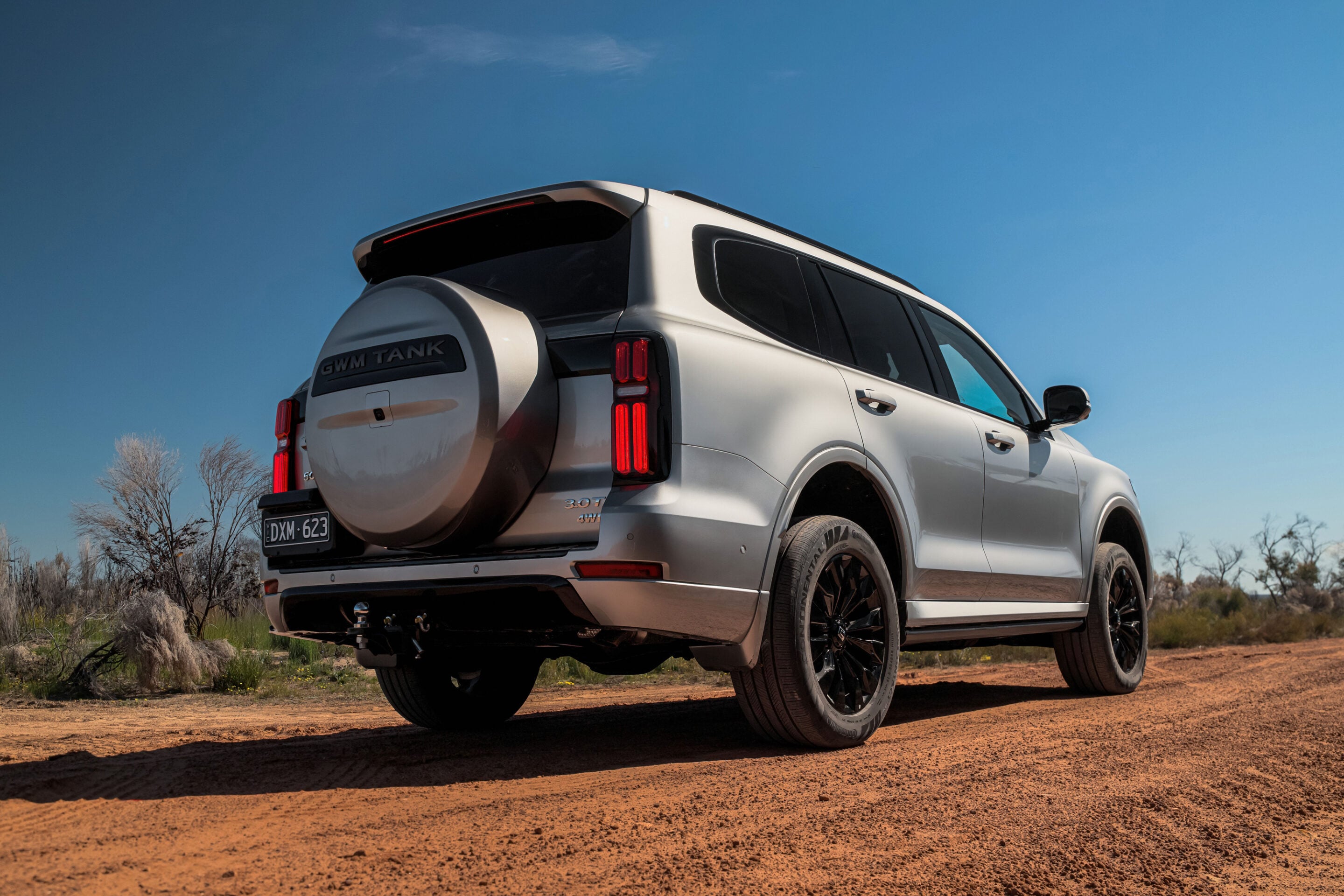
Its numbers suggest it is. With 170kW and 620Nm on tap, the Tank 500 outguns its rivals in the torque stakes with only the Everest offering a modicum of resistance, down 20Nm but with better power at 184kW.
The most compelling argument in favour of the Tank 500 is pricing and equipment. Two trim levels have landed in local dealerships, the entry-level $65,990 driveaway Tank 500 Lux and the flagship $71,990 driveaway Vanta, undercutting Everest and Prado handsomely. Isuzu’s MU-X can be had for a relatively bargain $55,900 but to come close to matching the Tank’s list of standard gear, buyers will need to spend north of $70k before on-road costs.
GWM hasn’t been shy with its equipment list, both models brimming with the type of goodies that command big-buck premiums from the more established brands.
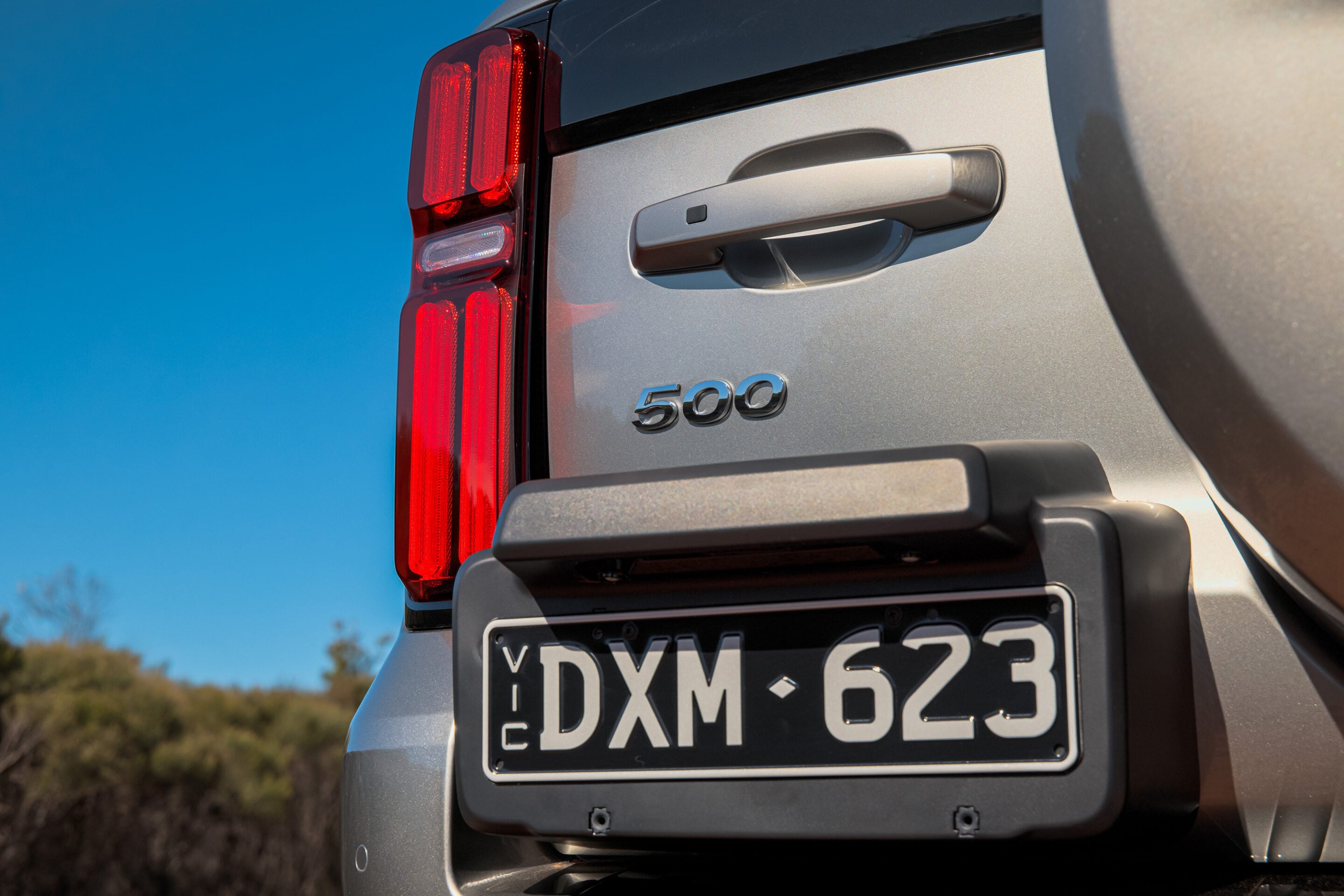
Common to both variants are off-road-focussed goodies like front and rear mechanical diff locks, a low-range transfer case, independent double wishbone coil-sprung front and multi-link live axle rear suspension, plus a selection of All-Terrain drive modes.
Inside, occupants are greeted by leather seat trim (fake in the Lux and genuine Nappa in the Vanta), a big 14.6-inch infotainment screen running the latest GWM Coffee OS software, the obligatory gamut of smartphone-mirroring options, dual-zone climate, and power-adjustable heated front seats. A full complement of GWM’s safety technologies is on board across both variants.
The flagship Vanta makes a big play for being considered in the ‘premium’ space. It’s the model available to me at launch and it immediately impresses with a cabin that is unashamedly luxurious. The creamy Nappa leather seats, heated and cooled up front, and with massage function, look a million bucks. If that’s too garish for some buyers’ tastes, a more austere black interior is available.
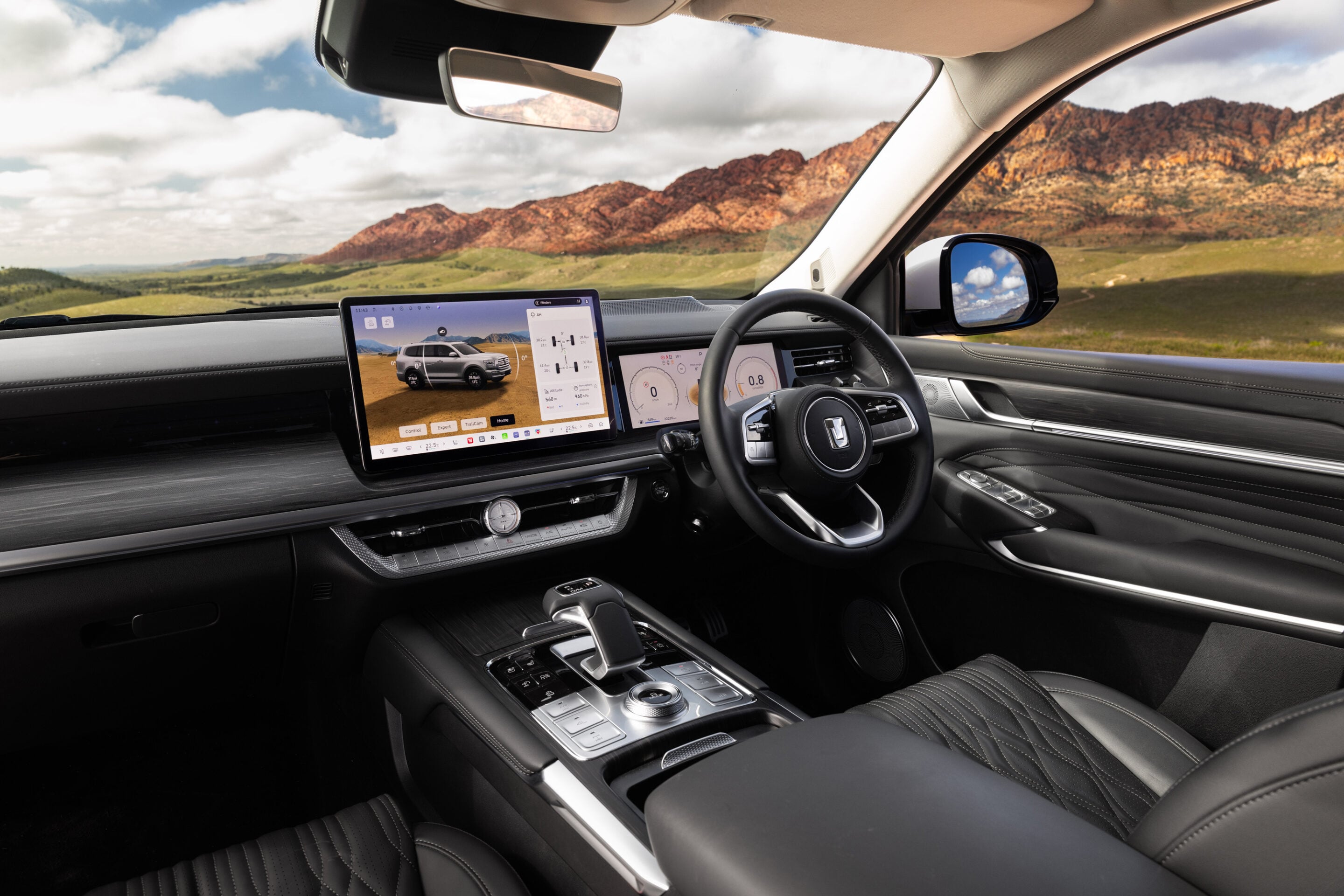
Adding to the primo vibe are a heated steering wheel, heated and ventilated second-row seats, a panoramic sunroof and power-folding third row seats. It’s a shame, then, that the Tank’s massive tailgate is manually operated, especially with that full-size spare wheel and tyre hanging off the back. You can’t have everything, I suppose.
The second row continues the theme with plenty of space and a lightness not always guaranteed in the segment. Visibility is good and the manual side window sunshades are useful, especially for those with kids on board.
Access to the third row is awkward for adults, and once ensconced it does feel a little cramped. Best saved for occasional use by grown-ups. It’s fine for smaller children, though.
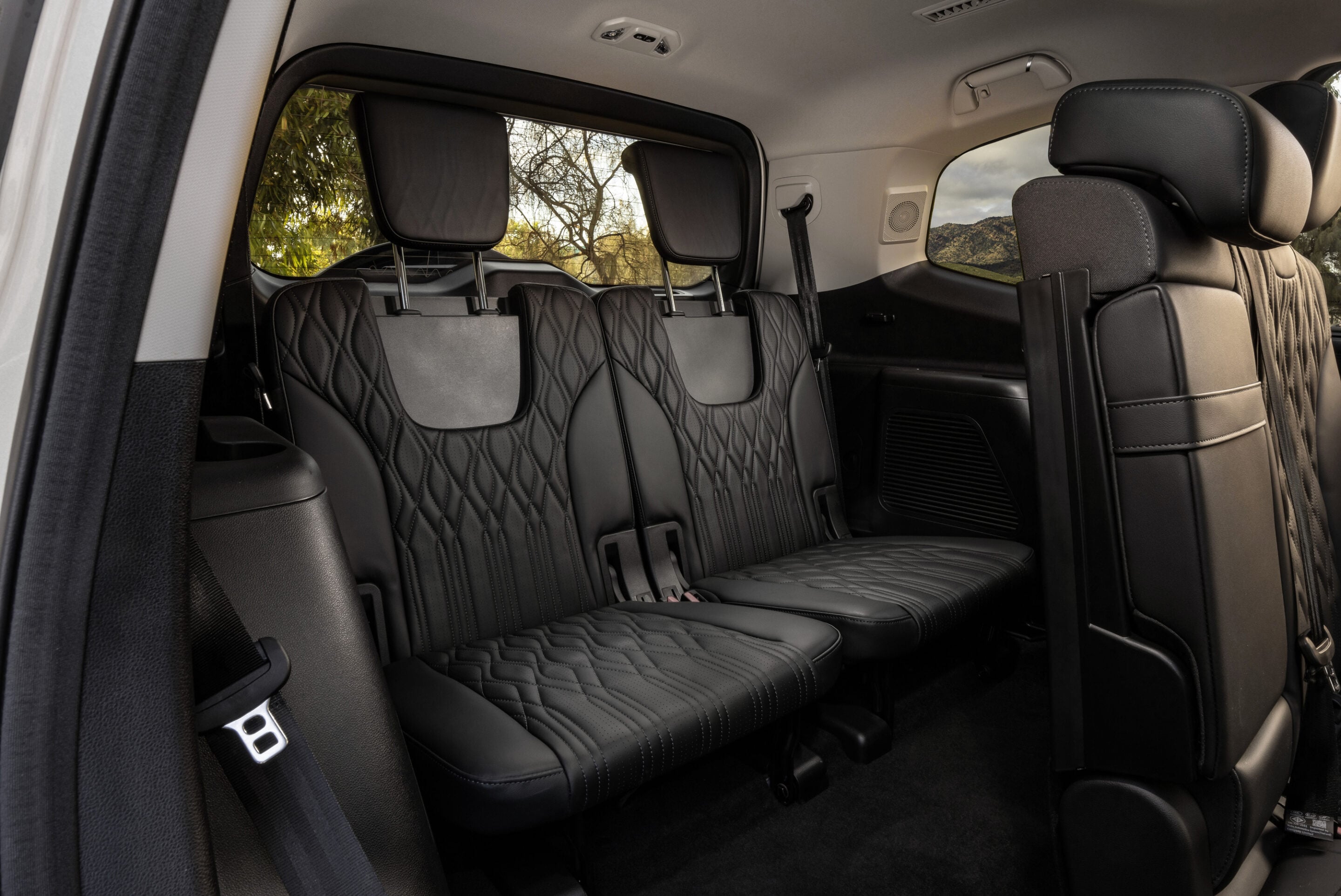
Lifting the tailgate reveals a paltry 98L of luggage-lugging ability, pretty much ruling out long-weekend road trips with a full complement of passengers on board. Things improve with the third row folded away, GWM quoting 795 litres, while stowing the second-row seats opens up an expansive 1459 litres.
Plush cabins are nice and all, but where the Tank battle will be won or lost is under the bonnet. And straight off the bat, from the very first press of the starter button, the news is good.
GWM’s new 3.0-litre donk brings a refinement not usually associated with big oilers. Forget that telltale diesel clatter. There isn’t any. Instead, an easy thrum permeates into the acoustically deadened cabin.
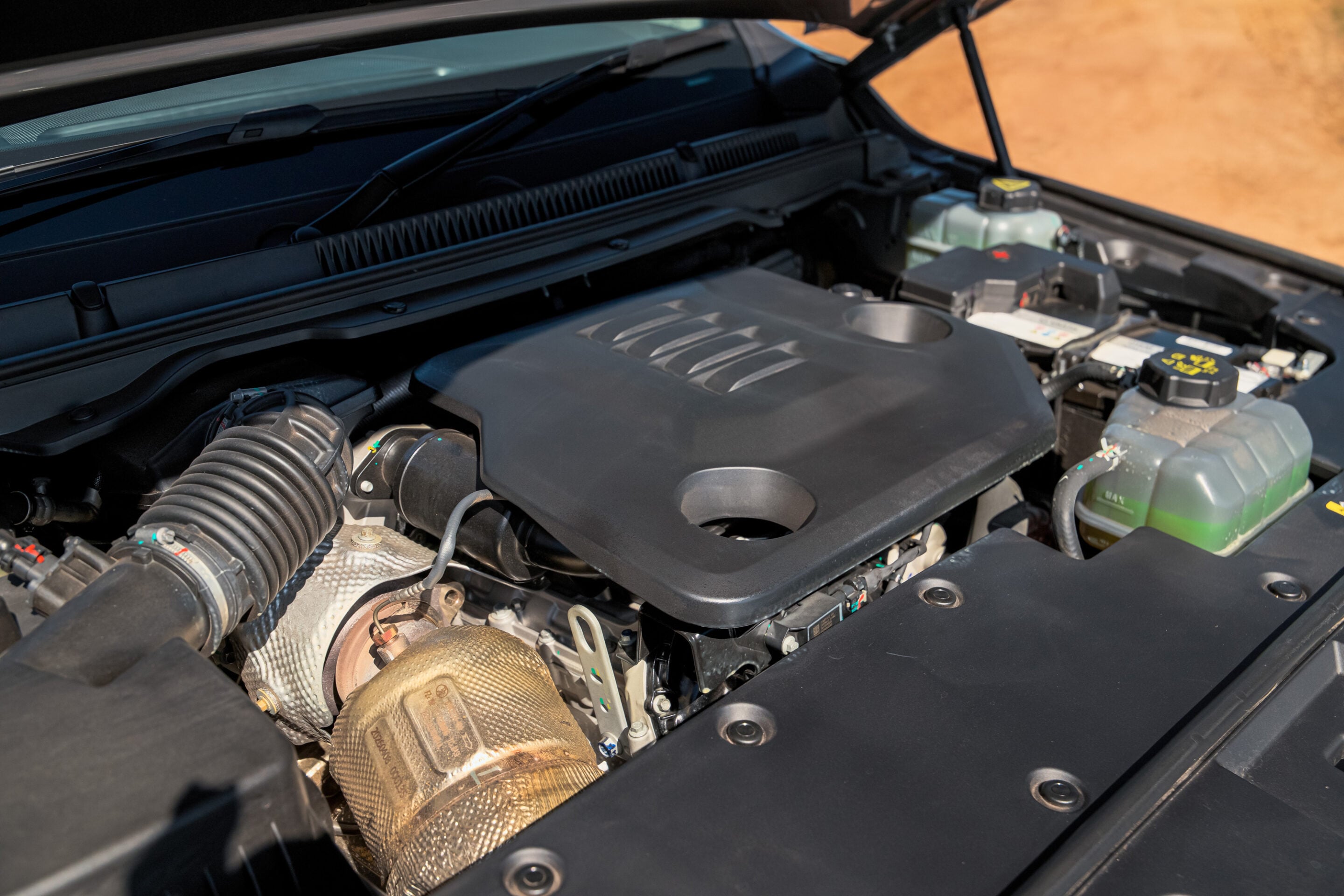
That’s only enhanced once on the move, the Tank settling into an easy lope, the diesel unit barely raising a sweat as it ticks over at around 1500rpm at motorway speeds.
That’s right in the torque sweet spot too, which peaks between 1400-2400rpm, making overtakes on the freeway a breeze.
The nine-speed automatic plays along nicely, with unobtrusive shifts and a knack for knowing when to kick down in the hunt for more pulling power.
That’ll help when it comes time to haul a big ’van or boat, GWM claiming a braked towing capacity of 3500kg, an improvement of 500kg over the older model. Towing goodies include a dedicated drive mode and an integrated trailer brake controller.
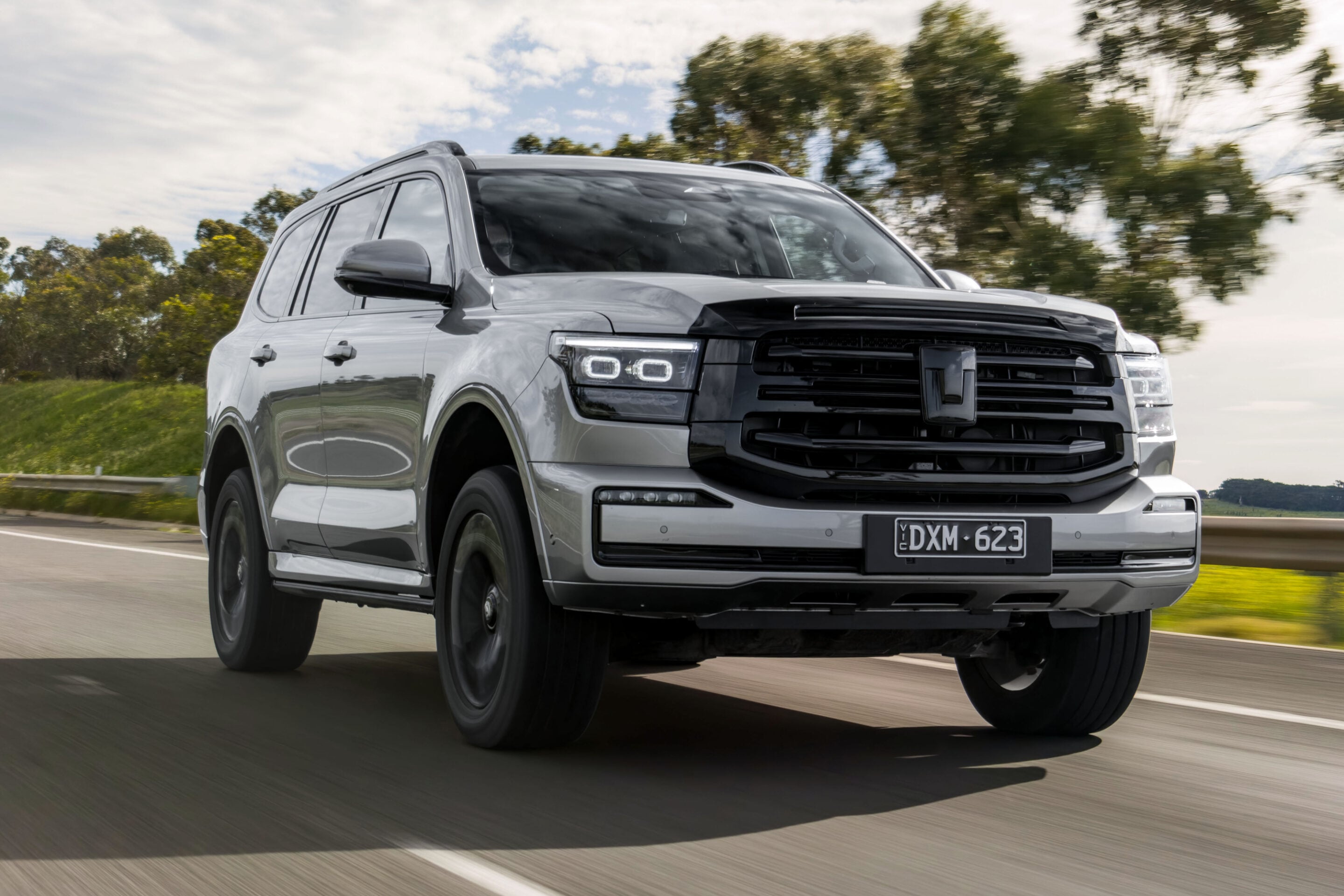
GWM has made much of its local tuning, which brings more than just composed road manners. Ex-GM-H gun Rob Trubiani has painstakingly wrought improvements to the suspension, steering, towing and even safety tech to better suit Australian conditions. And his work is a triumph of engineering, with the Tank 500 displaying a refinement on the road that the segment isn’t always known for. The safety systems are nicely calibrated too, with no overly eager interruptions or warnings. Other brands should take note.
A huge part of the Tank 500’s main selling points is its off-road ability. The GWM’s mechanical package proves its worth out in the wild, the 500 an easy and capable off-roader.
Mechanical diff-locks, high- and low-range 4WD modes, hill-descent control – it all combines to ensure the Tank 500 is capable of much more than just cruising some rutted fire trails.
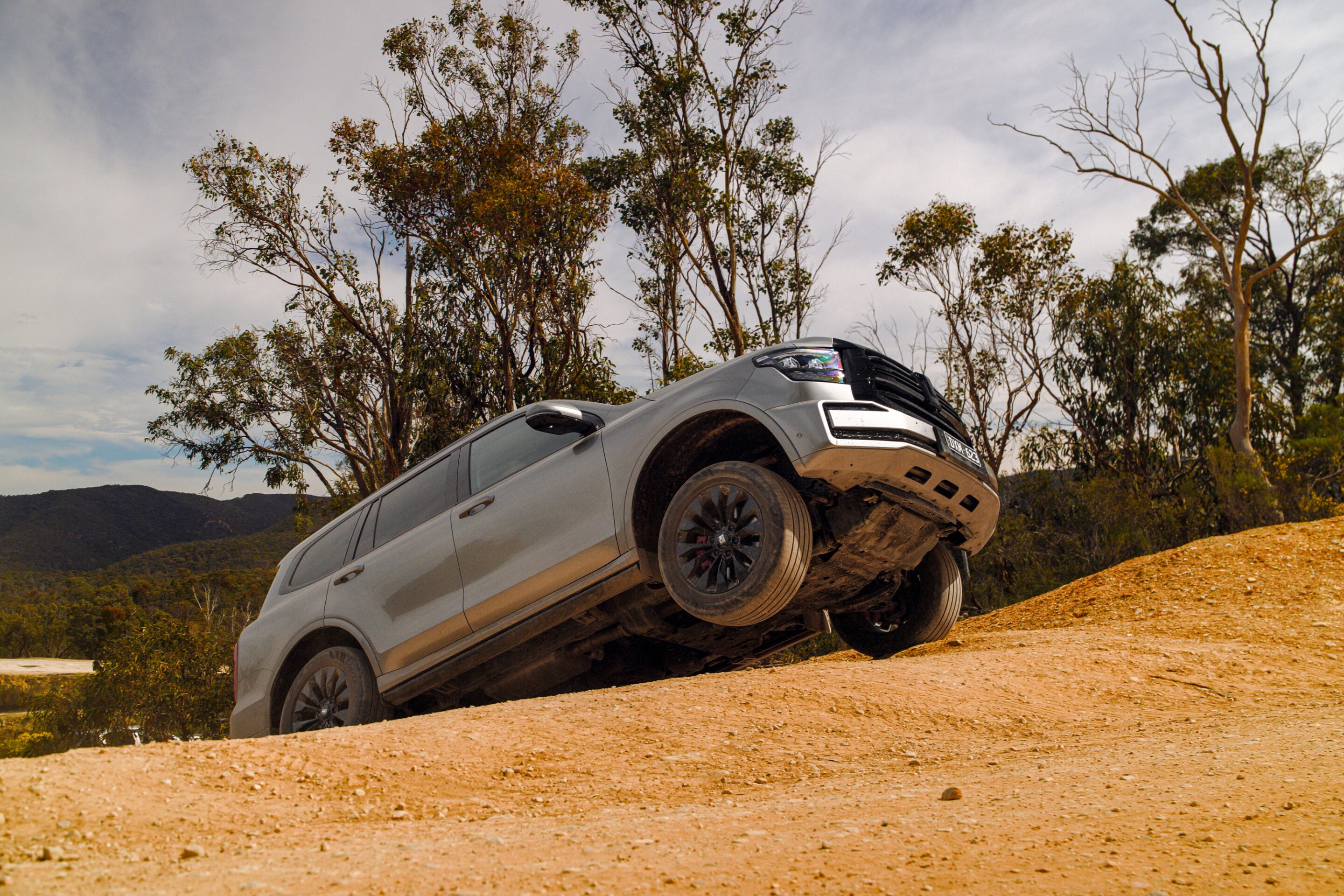
And it is, GWM’s launch program taking in stretches of rocky climbs showcasing the Tank’s articulation, plus wheel-deep muddy trails and the kinds of tracks the more adventurous among us like to tackle on weekends. None proved an obstacle to the 500’s off-road capabilities, which handled the various conditions confidently and easily.
Key off-road numbers to consider include a wading depth of 800mm, an approach angle of 28.5 degrees, breakover at 22 degrees and departure angle of 25 degrees. Ground clearance sits at 220mm.
A big unit like the Tank 500 needs a big fuel tank. GWM delivers with the standard 78-litre unit augmented by a 53-litre secondary tank for a total of 131 litres. The Lux grade is fitted only with the standard 78L tank.
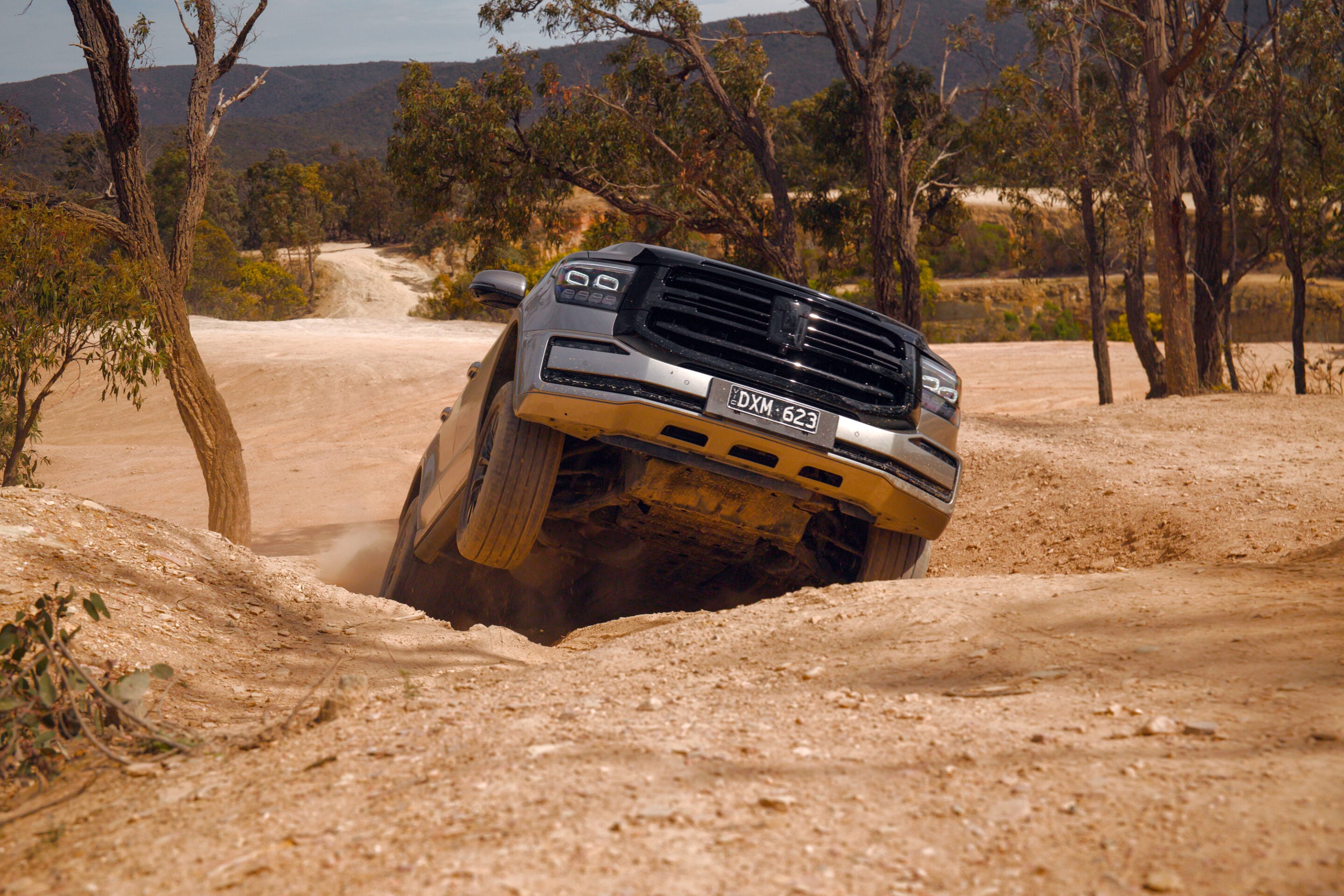
GWM claims the Tank 500 will sip through diesel at the rate of 7.1L/100km. My brief launch drive, taking in plenty of rough-and-tumble, low-range rock crawling, blew out the fuel number to the high 12s. But a reset for the long bomb back to Melbourne and suburbia ended with a respectable 7.8L/100km.
There’s an awful lot to like about the GWM Tank 500 3.0TD. Localised tuning with effortless grunt and meaningful off-road capability is just one part of the equation. Sharp pricing, in some cases $20k-$30k less than similarly-specced rivals, is another.
To make meaningful inroads into the Everest, Prado, MU-X triumvirate is a big ask, but with this muscled-up Tank 500, GWM finally has the big-diesel weaponry to lay down a serious challenge.
Specs: GWM Tank 500 3.0TD Vanta
| Price | $71,990 driveaway |
|---|---|
| Engine | 2994cc four-cylinder turbo-diesel |
| Peak power | 170kW @ 3200rpm |
| Peak torque | 620Nm @ 1400-2400rpm |
| Transmission | 9-speed automatic, four-wheel drive, dual-range |
| Claimed fuel consumption | 7.1L/100km |
| Claimed CO2 emissions | 187g/km |
| Fuel type/tank size | Diesel, 131 litres |
| Wheel size | 19-inch |
| Spare wheel type | Full-size |
| Dimensions (l/w/h/wb) | 5078/1934/1905/2850mm |
| Kerb weight | 2706kg |
| Braked towing capacity | 3500kg |
| Warranty | 7-year/unlimited km |
| Seven-year service plan cost | $3760 |
| On sale | Now |
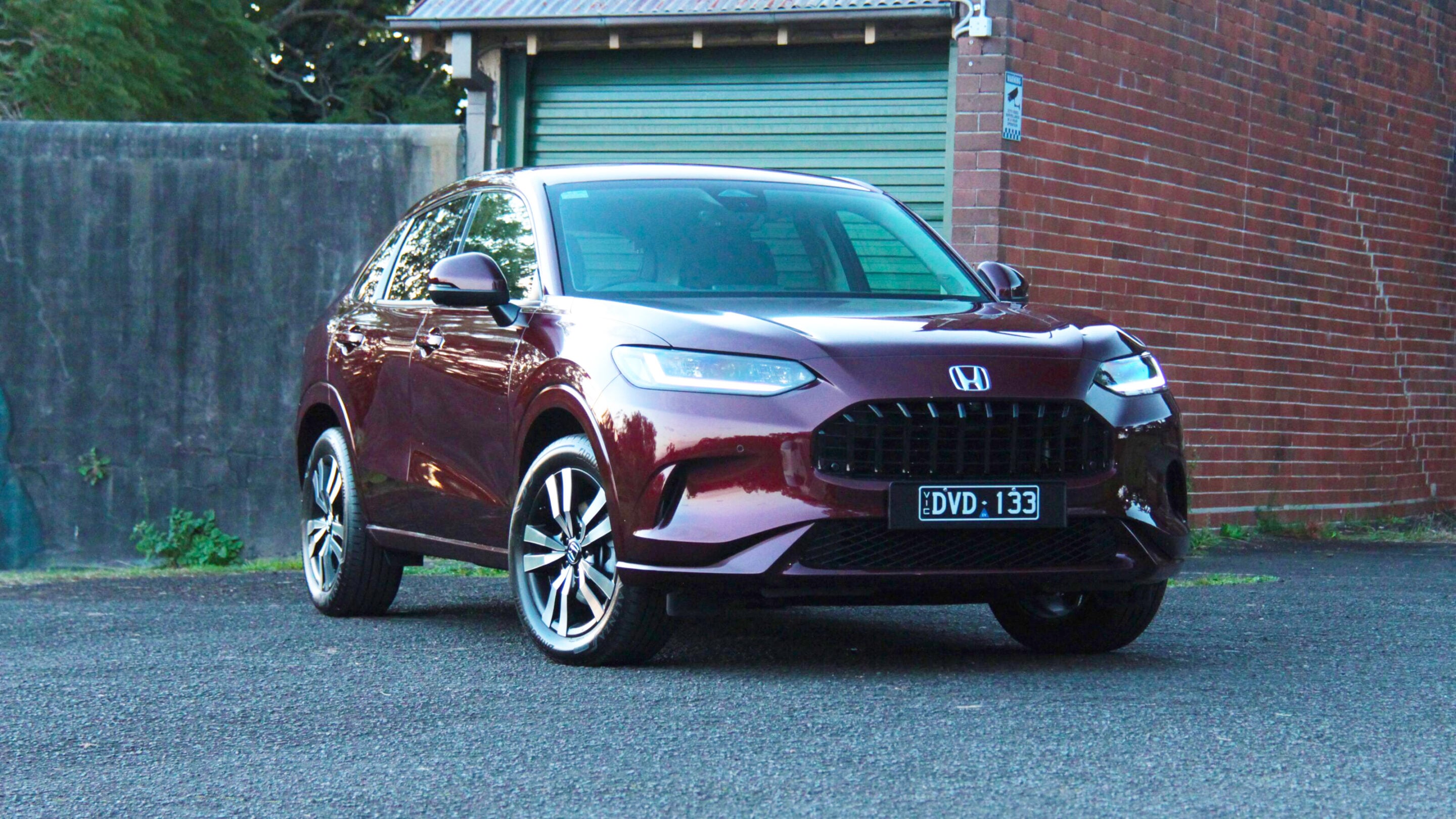
Honda is recalling more than 500 vehicles in Australia due to an issue with the front seats in its Civic, Accord and ZR-V models that means they do not comply with local regulations. Revealed on September 23, the fault can increase the risk to drivers and passengers in an accident.
“Due to a manufacturing issue, the left-side seatback frame edge on the driver and passenger seats may not meet the minimum radius requirements of the Australian Design Rule (ADR) 3/04 – Seats and Seat Anchorages,” Honda Australia said in a statement.
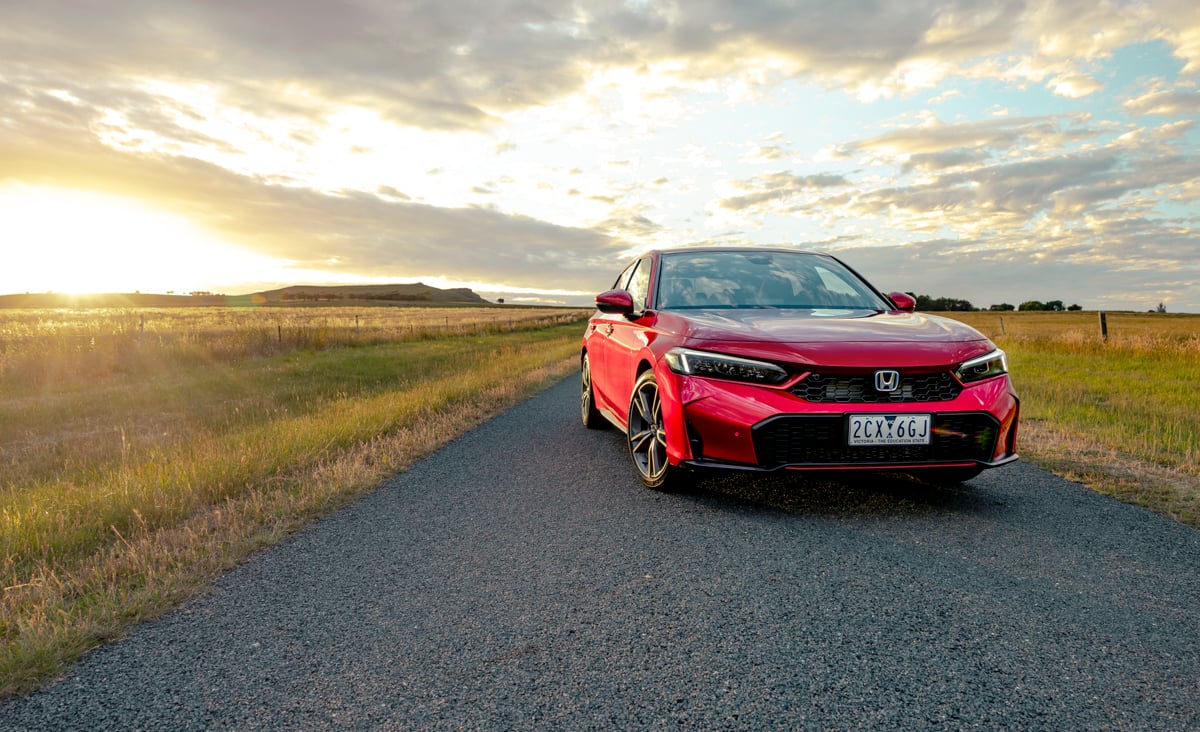
“In the event of an accident, contact with the seatback frame edge could increase the risk of injury to vehicle occupants.”
A total of 554 vehicles are affected: Civics from model years 2024 to 2026; Accords from the 2025 model year; and ZR-Vs from the model years 2023 to 2025.
Honda Australia will contact the owners of affected vehicles in writing and ask them to schedule an appointment with a dealership to have the issue corrected free of charge. Owners can also contact the brand directly on 1800 804 954 or send an email to [email protected].
This is the first non-motorcycle recall for Honda Australia since November last year, when 180 examples of the Accord manufactured from 2024 to 2025 were recalled due to a software issue that meant the integrated control module could cause system errors resulting in a sudden loss of power.
